
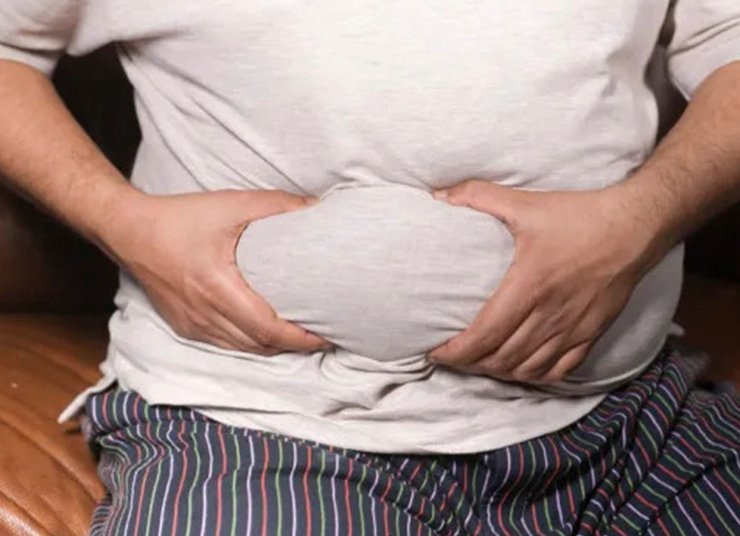
India’s Silent Health Crisis: Understanding Fatty Liver
Fatty liver disease now affects nearly 40% of Indian adults—and up to 80% in regions like Uttarakhand. Driven by metabolic dysfunction rather than alcohol, this silent condition frequently impacts office workers, young adults, and even thin individuals without producing early symptoms.
Why Cases Are Surging
- Dietary Shifts: High-calorie processed foods, refined carbs, and sugary drinks overwhelm the liver, converting excess calories into stored fat.
• Sedentary Routines: Sitting 8 to 10 hours daily for desk jobs dramatically lowers physical activity levels.
• Metabolic Links: Obesity and Type 2 diabetes heavily increase risk, though South Asians frequently develop "lean fatty liver" even with normal BMIs.
• Sedentary Routines: Sitting 8 to 10 hours daily for desk jobs dramatically lowers physical activity levels.
• Metabolic Links: Obesity and Type 2 diabetes heavily increase risk, though South Asians frequently develop "lean fatty liver" even with normal BMIs.
How to Reverse the Damage
Early-stage fatty liver (Grade 1) is completely reversible within 3 to 6 months:
- Dietary Shifts: High-calorie processed foods, refined carbs, and sugary drinks overwhelm the liver, converting excess calories into stored fat.
• Sedentary Routines: Sitting 8 to 10 hours daily for desk jobs dramatically lowers physical activity levels.
• Metabolic Links: Obesity and Type 2 diabetes heavily increase risk, though South Asians frequently develop "lean fatty liver" even with normal BMIs.